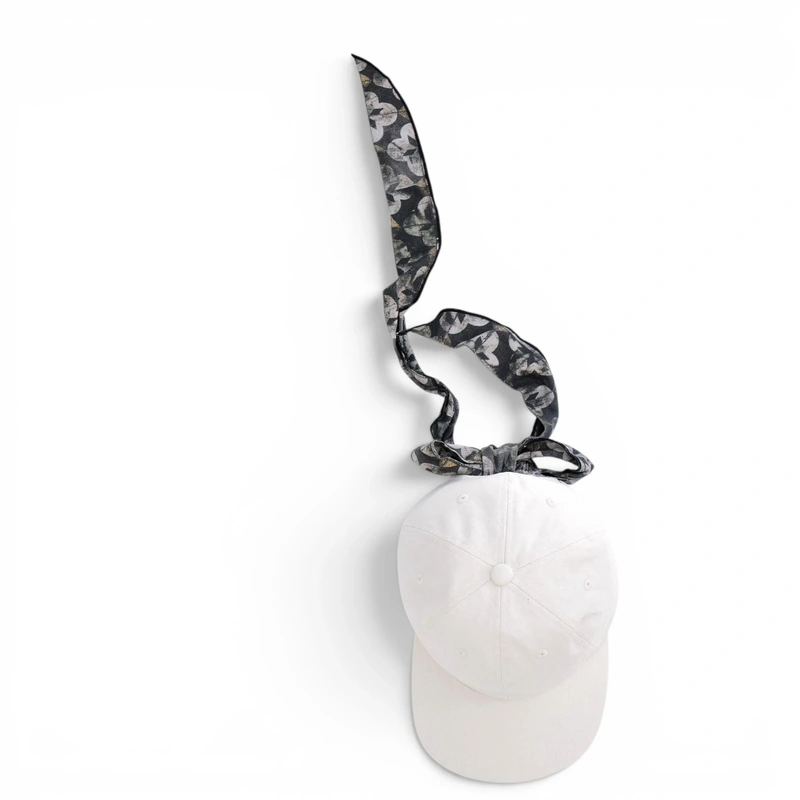
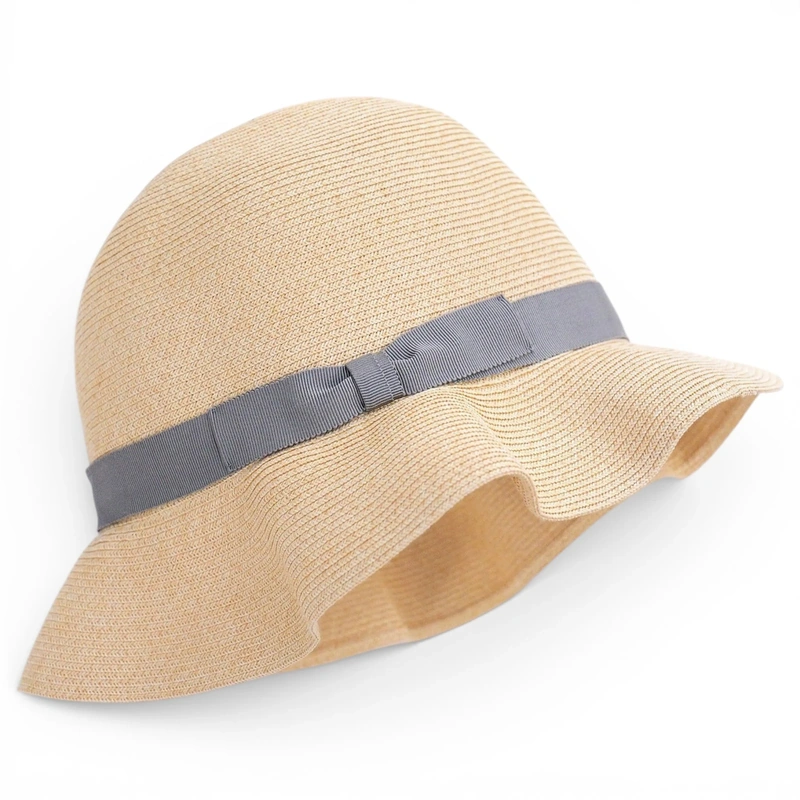
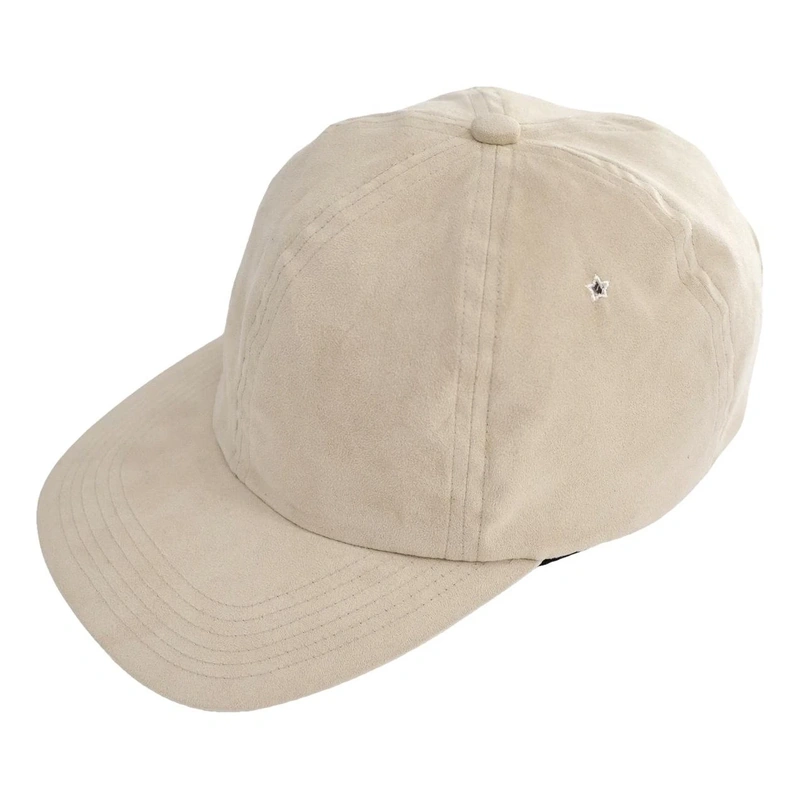
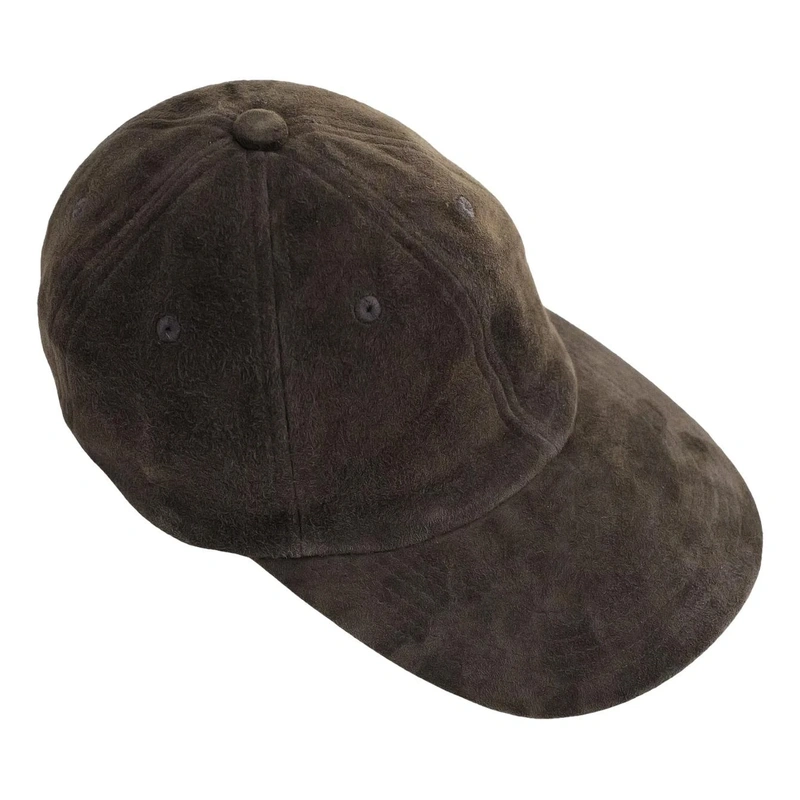
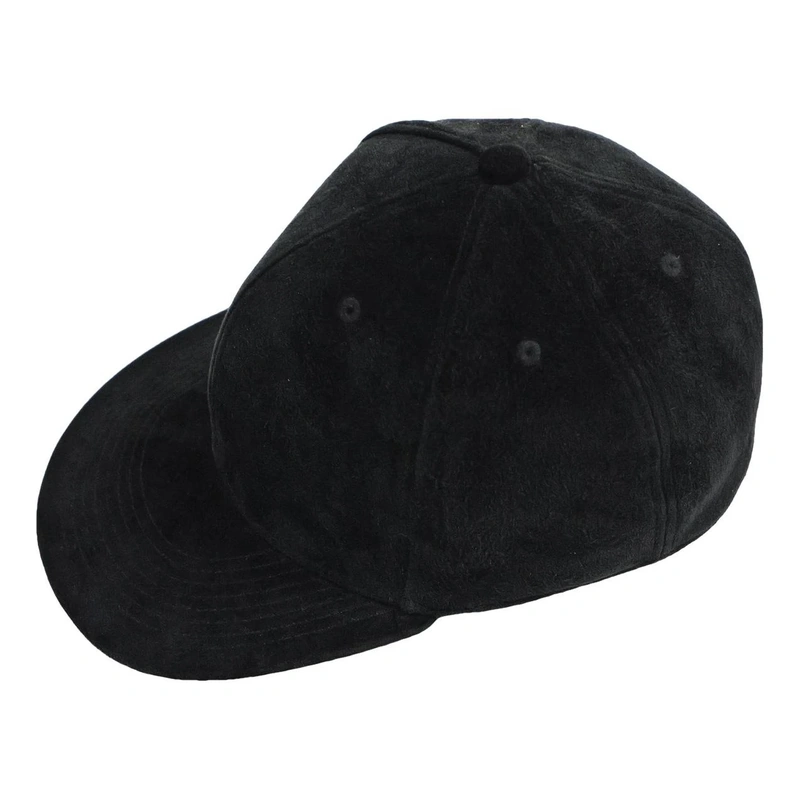
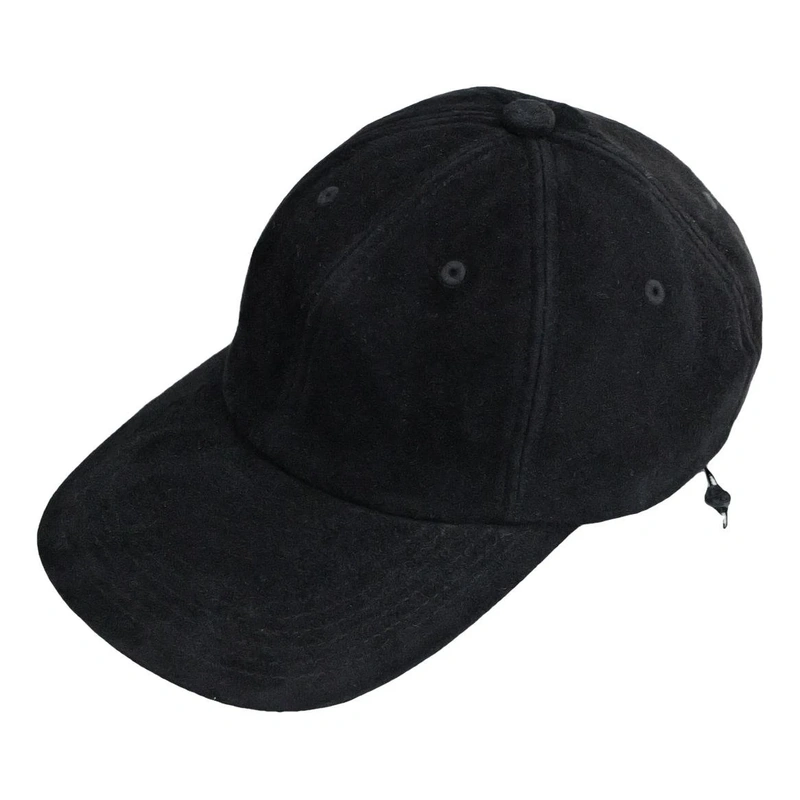
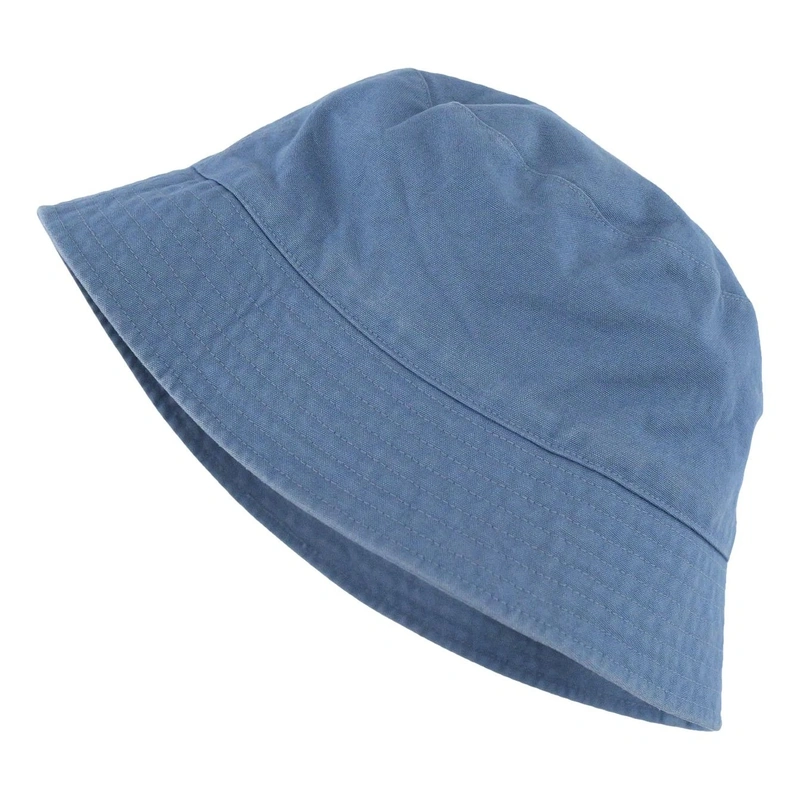
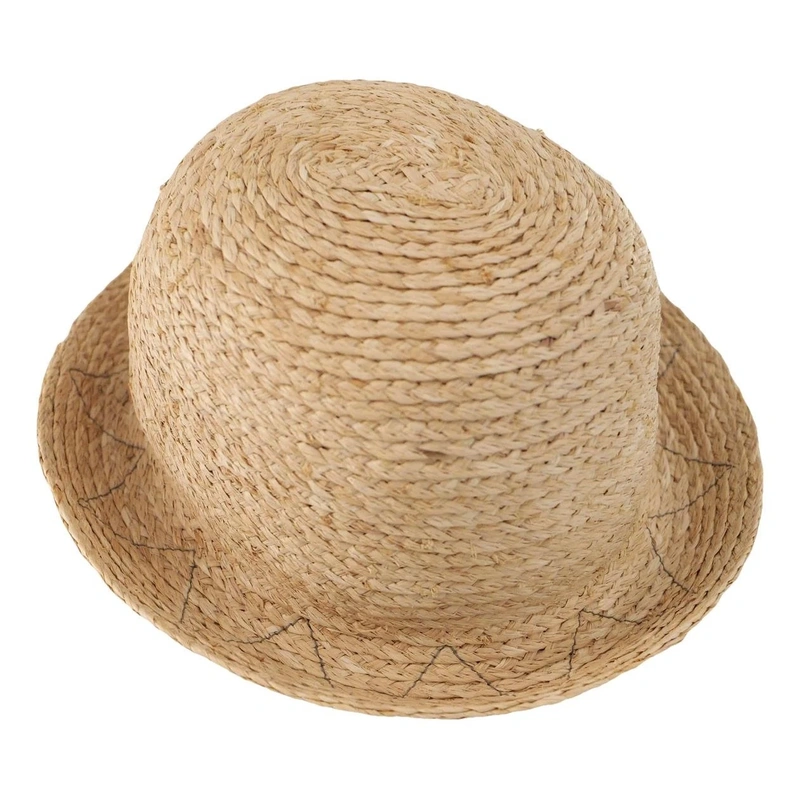
KIJIMA TAKAYUKI
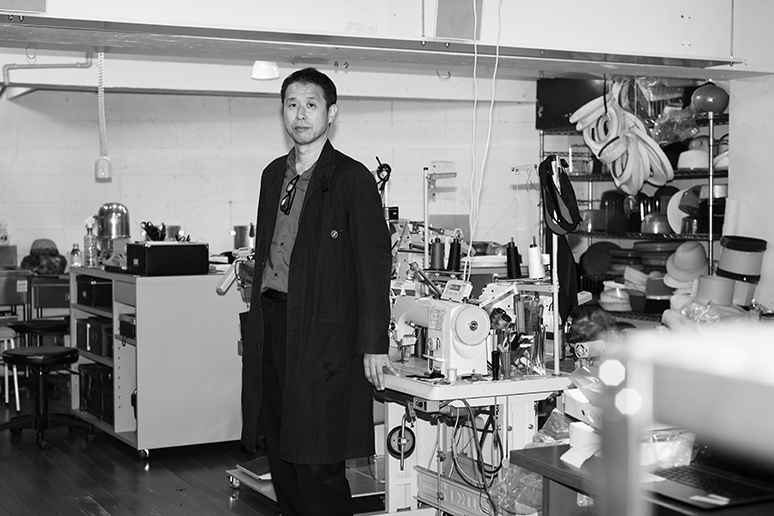
Takayuki Kijima, chapelier japonais, maître reconnu de la scène contemporaine. Initialement attiré par le design vêtement, il bifurque vers la chapellerie au début des années 90 et entre comme protégé d'Akio Hirata, l'un des modistes les plus respectés au monde, pour qui il travaille de 1990 à 1994. Pendant cette période, il produit des chapeaux pour Issey Miyake, Yohji Yamamoto et Comme des Garçons.
Positionnement. Deux logiques de production en parallèle : une ligne haute couture entièrement faite à la main dans l'atelier, et une ligne plus accessible produite en manufacture. Esthétique élégante mais décontractée, jamais « party hat », Kijima refuse l'extravagance pour rester dans le réalisable, le portable.
Collaborations. UNDERCOVER, FACETASM, TAKAHIROMIYASHITA TheSoloist., ART&SCIENCE, Sunspel, YLÈVE, FEIT. Lady Gaga et Madonna ont porté ses créations. Reconnu comme l'un des derniers grands maîtres modistes japonais, dans la lignée d'Akio Hirata.
Takayuki Kijima, Japanese hatmaker, a recognized master of the contemporary scene. Initially drawn to clothing design, he turned to millinery in the early 1990s and joined as a protégé of Akio Hirata, one of the most respected milliners in the world, for whom he worked from 1990 to 1994. During this period, he made hats for Issey Miyake, Yohji Yamamoto, and Comme des Garçons.
Positioning. Two production logics run in parallel: a haute couture line made entirely by hand in the atelier, and a more accessible line produced in a factory. An elegant yet relaxed aesthetic, never "party hat," Kijima rejects extravagance to stay within the wearable and the realistic.
Collaborations. UNDERCOVER, FACETASM, TAKAHIROMIYASHITA TheSoloist., ART&SCIENCE, Sunspel, YLÈVE, FEIT. Lady Gaga and Madonna have worn his creations. Recognized as one of the last great Japanese milliner masters, in the lineage of Akio Hirata.
Chronologie
- 1990-1994 · formation auprès d'Akio Hirata, production pour Miyake / Yohji / CDG
- 1995 · installation de son propre atelier à Daikanyama, sous le label « coeur »
- 1999 · ouverture de sa première boutique
- 2013 · renommage de « coeur » en KIJIMA TAKAYUKI, élargissement aux lignes homme et femme
- 2017 · lancement de la High Line, ligne ultra-haut de gamme entièrement faite à la main
- Aujourd'hui · présentations bi-annuelles à Tokyo et Paris
Timeline
- 1990-1994 · trains under Akio Hirata, produces hats for Miyake / Yohji / CDG
- 1995 · sets up his own studio in Daikanyama, under the "coeur" label
- 1999 · opens his first boutique
- 2013 · renames "coeur" to KIJIMA TAKAYUKI, expands into men's and women's lines
- 2017 · launches the High Line, an ultra-high-end, fully handmade line
- Today · presents biannually in Tokyo and Paris
Les informations présentées sont issues de recherches publiques et peuvent comporter des imprécisions. Merci de nous signaler toute correction.The information presented here comes from public research and may contain inaccuracies. Please let us know of any correction.
Notre sélection KIJIMA TAKAYUKI